
the Nuraghes
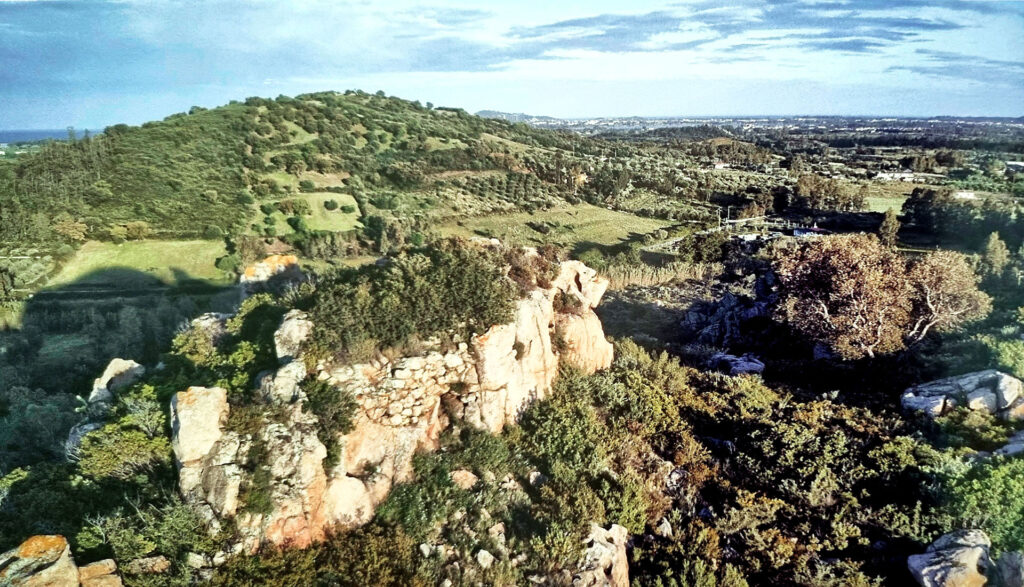
Remains of various nuraghes and fortifications are scattered throughout the Lotzorai area, testifying to a place inhabited for millennia.
Sa Domu de Donna Nassia
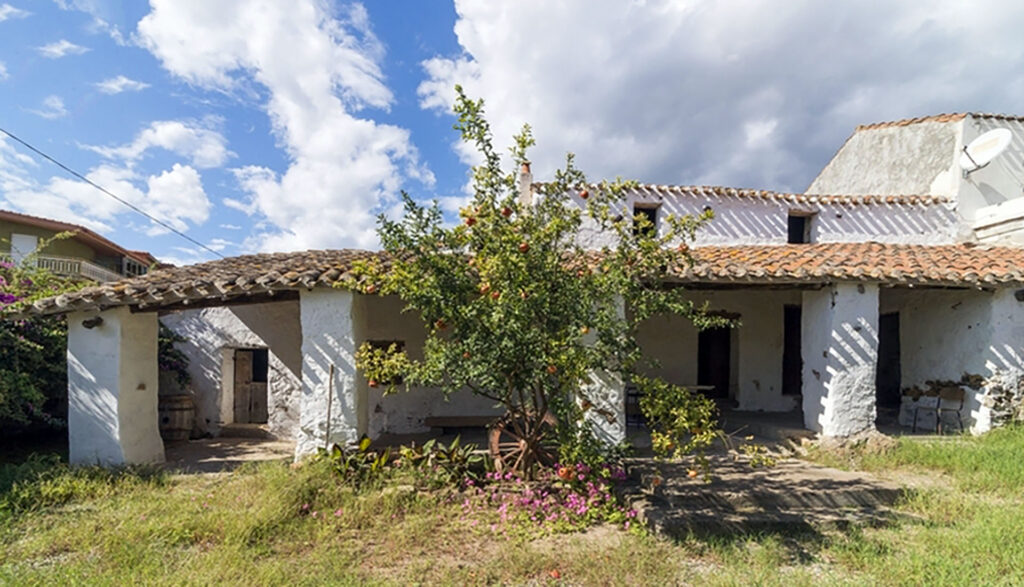
“Sa Domu” is one of Lotzorai’s historic buildings, built entirely on rock, representing a typical Lotzorai manor house.
The Church of Santa Barbara
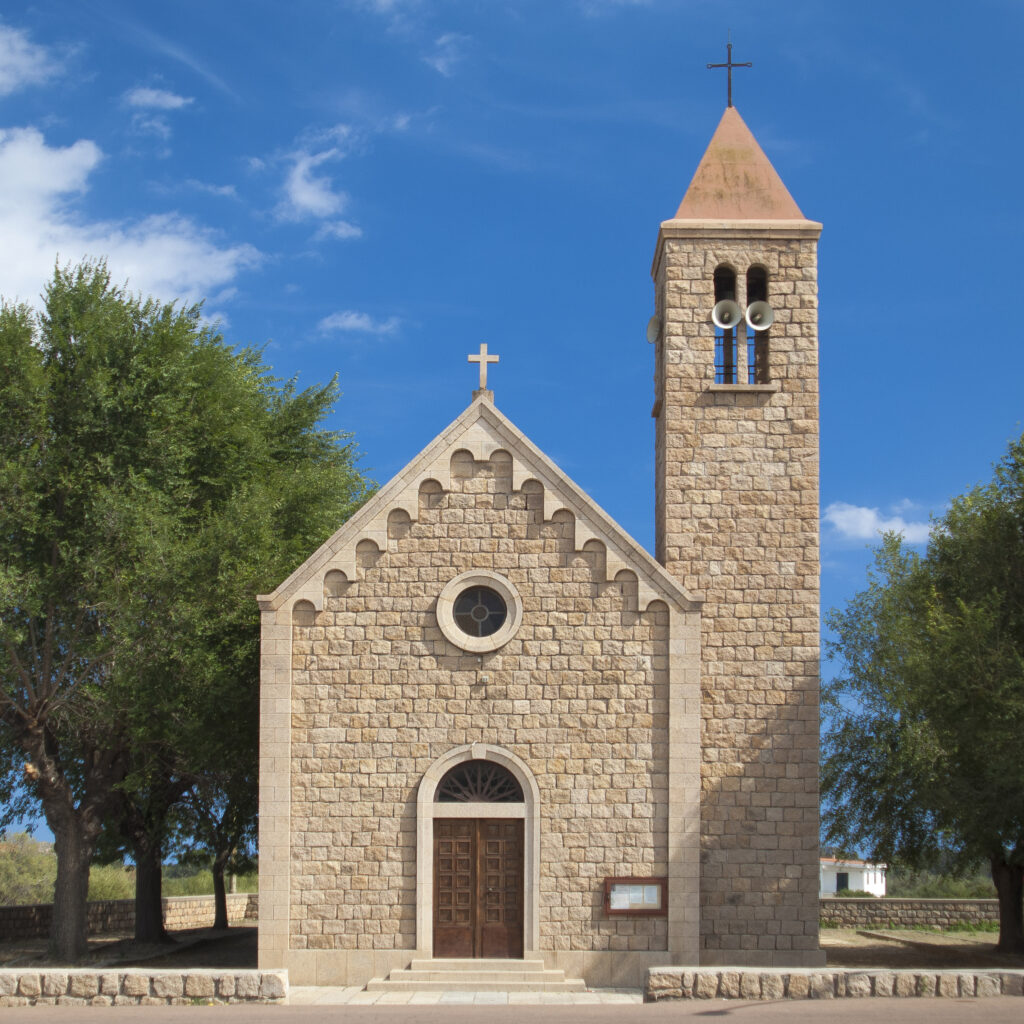
The Church of Santa Barbara is located in the Donigala district. It was built in the 1950s following the demolition of the existing church, constructed in the early 17th century.
The Church of Saint Thomas

The Church of Saint Thomas is a country church located on the slopes of a hill west of the town. The small, recently constructed church, built on the ruins of a very ancient, now lost, church, was built to revive the ancient traditions and faith in the saint for whom it is dedicated.
Ancient Church of Sant’Elena

The ruins of the ancient church of Sant’Elena, dating back to the 12th century AD, and the abandoned cemetery are located within the town of Lotzorai, in what was once known as the Cuccureddu district. The structure still retains its large stone portal and part of the stucco decorations of the high altar.
Church of Sant’Elena Imperatrice

The parish church of Lotzorai, dating back to 1843, is dedicated to Saint Helena the Empress. The classical-style building has a single nave, two side chapels, and a characteristic bell tower. Inside, you can admire a cycle of four painted panels commissioned from the painter Sitzia in 1846, as well as valuable wooden simulacra.
The Castle of Ogliastra
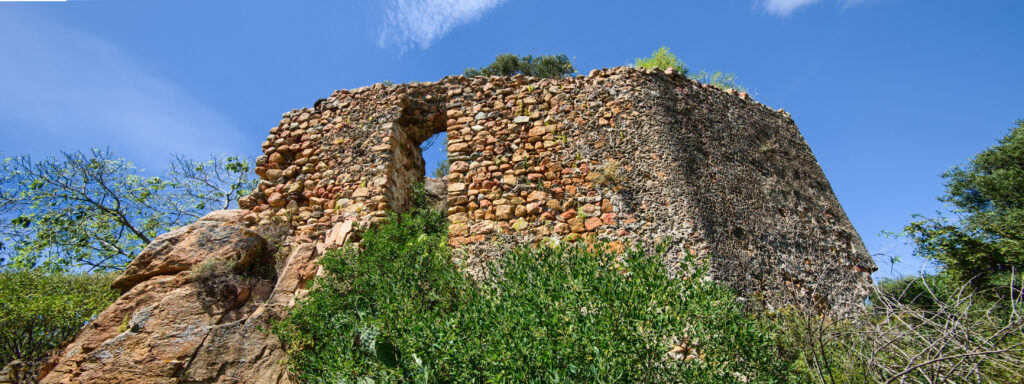
The ruins of the castrum de Ullastre, now known as the Castle of Medusa, are located on a small granite hill and represent one of the most significant medieval remains in Ogliastra.
It was built in a strategic position to defend the fertile valley, guarding the lagoon and the precious harbor.
Domus de Janas di Tracucu
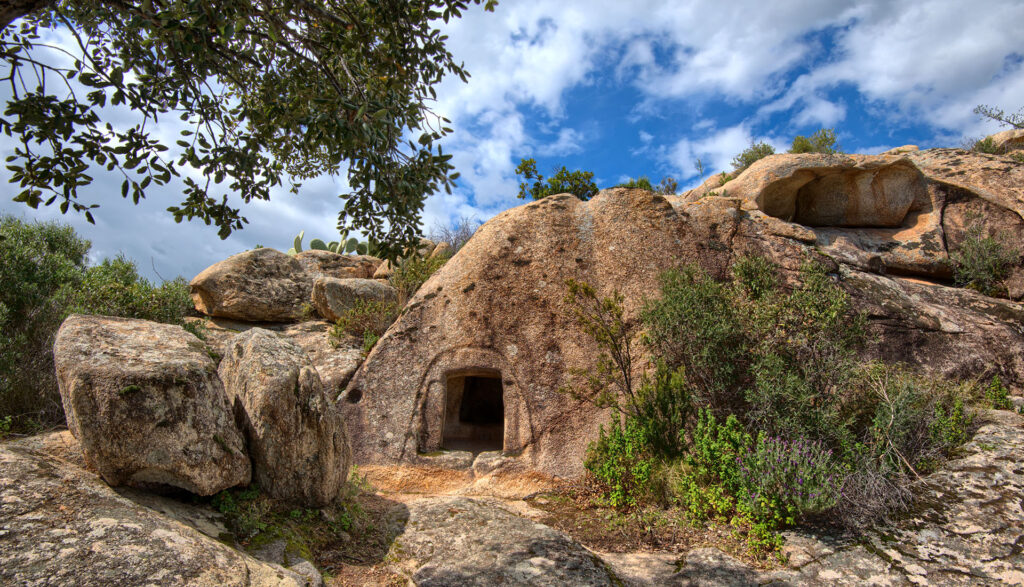
The Tracucu Necropolis (or Fund’e Monti) is a beautiful and vast archaeological site located about three kilometers from Lotzorai, along the road to Talana. It consists of 17 Domus de Janas (Domus de Janas), which can be admired by following a guided trail through granite rocks and lush vegetation.


