History

Lotzorai, Jewel of Ogliastra

History

Lotzorai, Jewel of Ogliastra

Lotzorai is a jewel nestled in an incredibly beautiful landscape, protected by waters that have always made it a privileged place for human settlement, as evidenced by the archaeological remains scattered throughout the area.

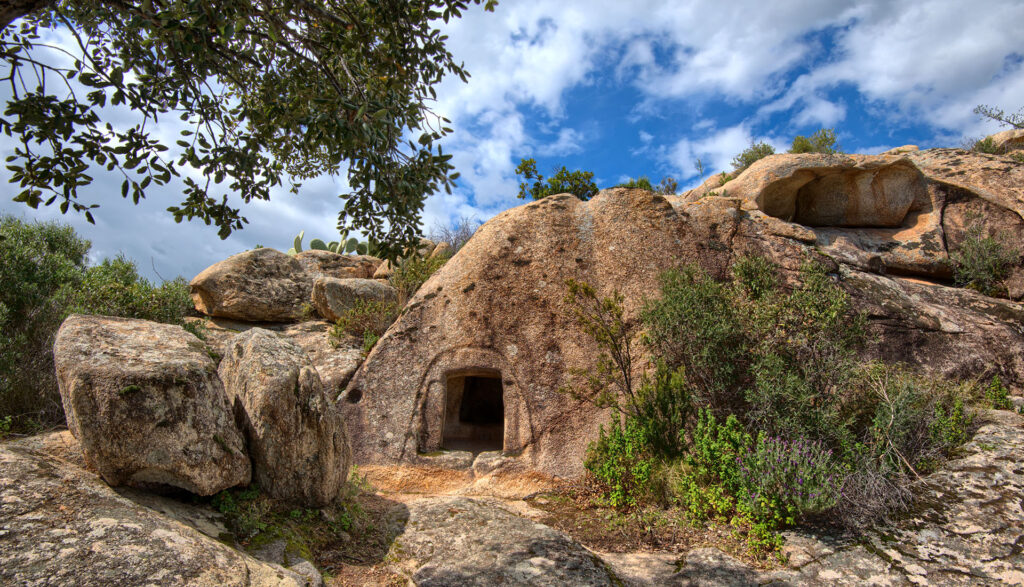
You can take an experiential and sensory journey back in time, from the Late Neolithic (about 5,500 years ago) to the magical pre-Nuragic necropolis of Tracùcu – Genna ‘e Tramonti. Here, you enter a fairytale landscape, with rocks shaped by nature, time, and the prehistoric peoples who built the underground necropolis of some twenty Domus de Janas. It is precisely these “fairy houses” that lead us into a legendary world, where prehistory and magic intertwine.

At the northern edge of the town, the remains of the ancient church of Sant’Elena, built around 1100 as Lotzorai’s parish church for centuries, provide a powerful testament to the religious community’s ties to the area. In a territory of such beauty, a defensive garrison was inevitable, and the Medusa Castle, a vestige of a past history still shrouded in legend, represents a powerful symbol of identity for the local population.

WHAT TO SEE

We Are Here For You
Domus de Janas di Tracucu
The Tracucu Necropolis (or Fund'e Monti) is a beautiful and vast archaeological site located about three kilometers from Lotzorai, along the road to Talana. It consists of 17 Domus de Janas (Domus de Janas), which can be admired by following a guided trail through granite rocks and lush vegetation.
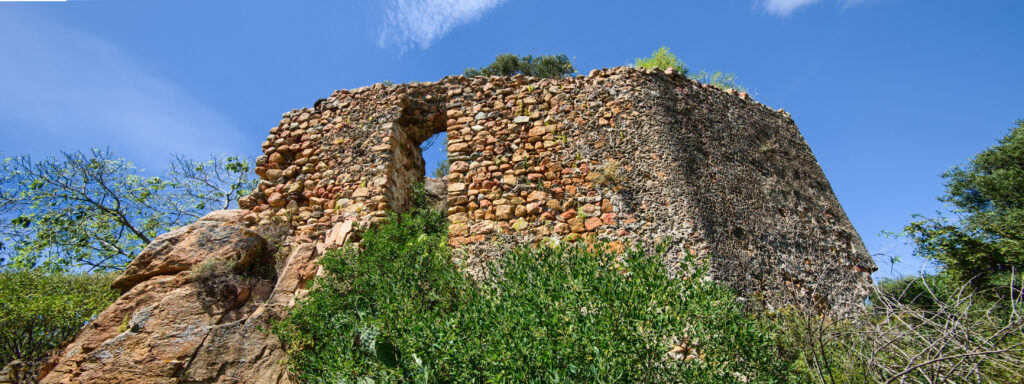
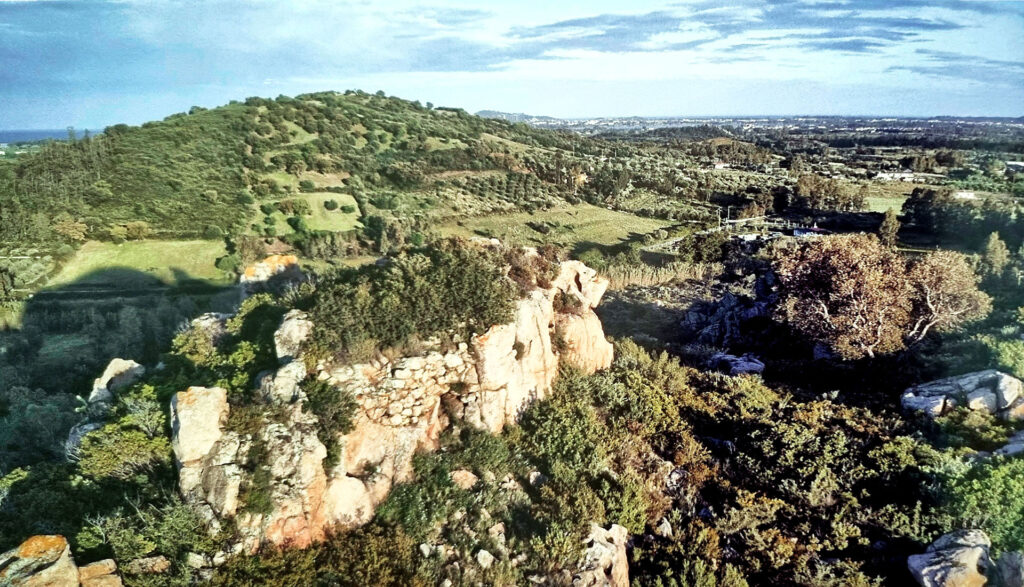
The Castle of Ogliastra
The ruins of the castrum de Ullastre, now known as the Castle of Medusa, are located on a small granite hill and represent one of the most significant medieval remains in Ogliastra. It was built in a strategic position to defend the fertile valley, guarding the lagoon and the precious harbor.
Church of Sant’Elena Imperatrice
The parish church of Lotzorai, dating back to 1843, is dedicated to Saint Helena the Empress. The classical-style building has a single nave, two side chapels, and a characteristic bell tower. Inside, you can admire a cycle of four painted panels commissioned from the painter Sitzia in 1846, as well as valuable wooden simulacra.
Ancient Church of Sant’Elena
The ruins of the ancient church of Sant'Elena, dating back to the 12th century AD, and the abandoned cemetery are located within the town of Lotzorai, in what was once known as the Cuccureddu district. The structure still retains its large stone portal and part of the stucco decorations of the high altar.
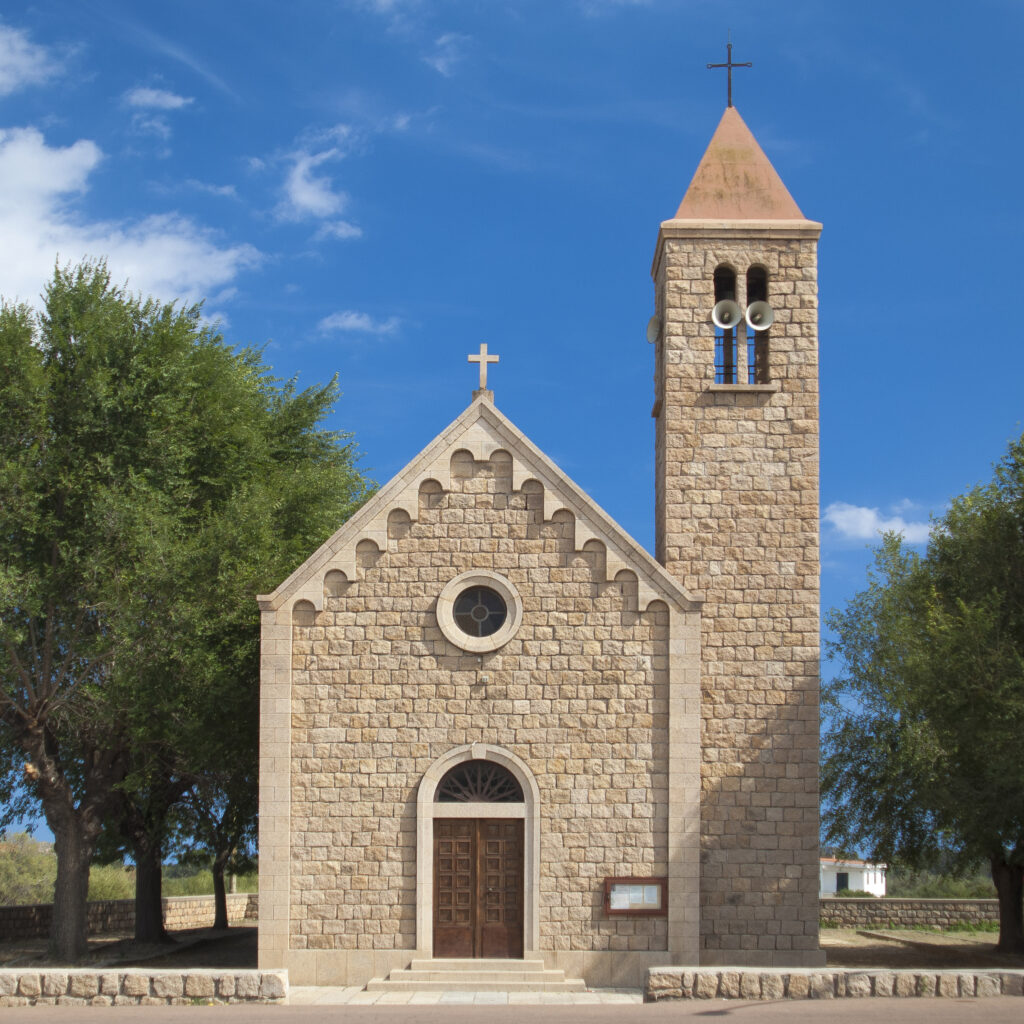
The Church of Saint Thomas
The Church of Saint Thomas is a country church located on the slopes of a hill west of the town. The small, recently constructed church, built on the ruins of a very ancient, now lost, church, was built to revive the ancient traditions and faith in the saint for whom it is dedicated.
The Church of Santa Barbara
The Church of Santa Barbara is located in the Donigala district. It was built in the 1950s following the demolition of the existing church, constructed in the early 17th century.
the Nuraghes
Remains of various nuraghes and fortifications are scattered throughout the Lotzorai area, testifying to a place inhabited for millennia.